
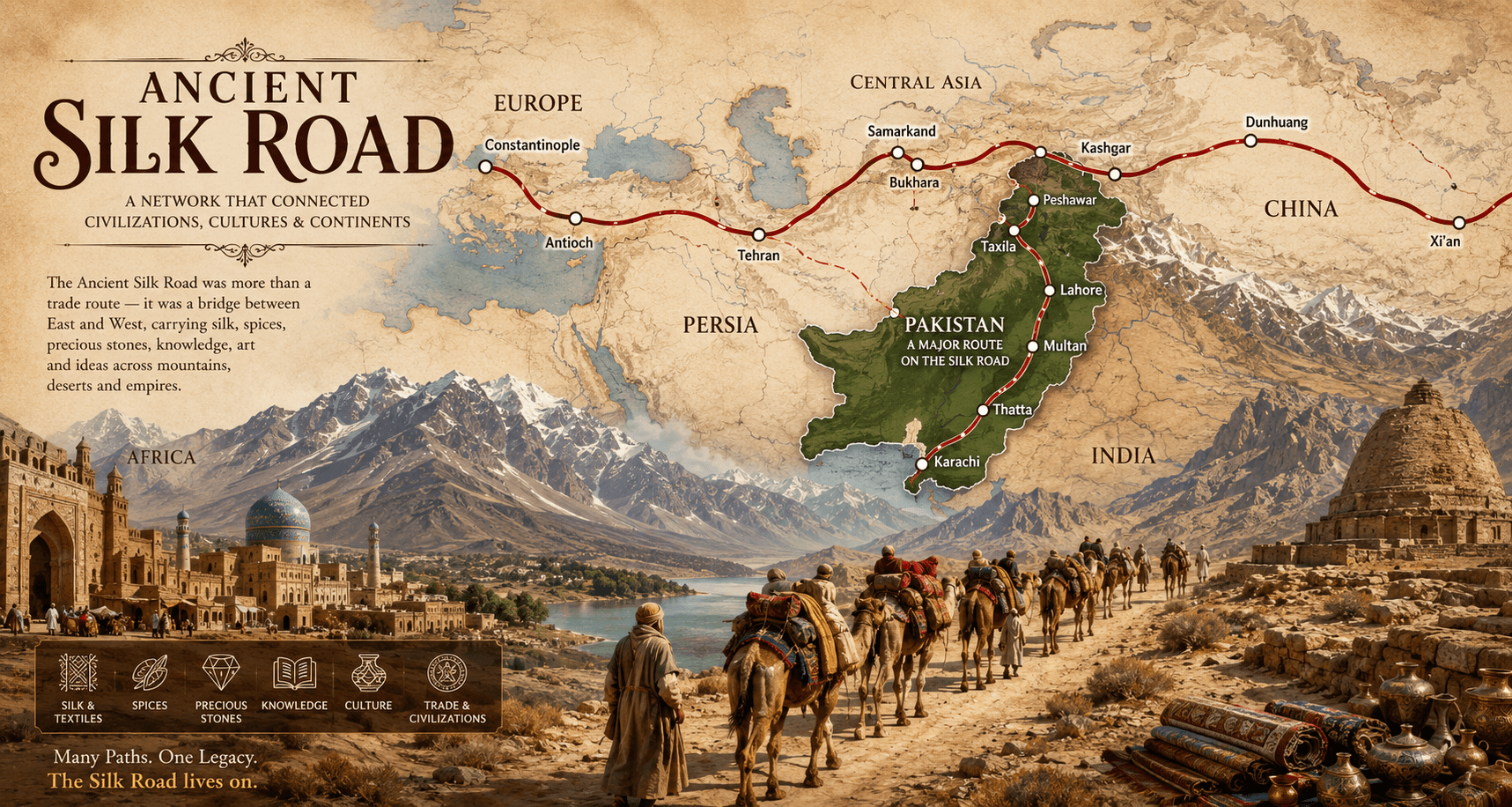
The Historic Silk Road
The phrase "Silk Road" refers to the intricate historical network of prehistoric trade routes that crossed the Afro-Eurasian landmass and in the past—and to some degree even today—connected East, South, and Western Asia with the Mediterranean and the European continent. It linked areas of North and East Africa as well. Making the journey 4,000 miles (6,500 kilometres) long. The profitable Chinese silk commerce that took place over this extensive route gave rise to the term Silk Road. The Han Dynasty (206 BC–220 AD) is when the first silk trade routes were established. In 114 BC, Zhang Qian's expeditions and discoveries led to the expansion of the central Asian portions of these trade routes. Along with trade, the Silk Roads served as a conduit for the spread of several technologies, ideologies, and historical documents along with the bubonic plague (sometimes known as the "Black Death"). The road was first utilised by Indian and Bactrian traders, then by Sogdian traders from the fifth to the eighth centuries, and finally by Arab and Persian traders later.
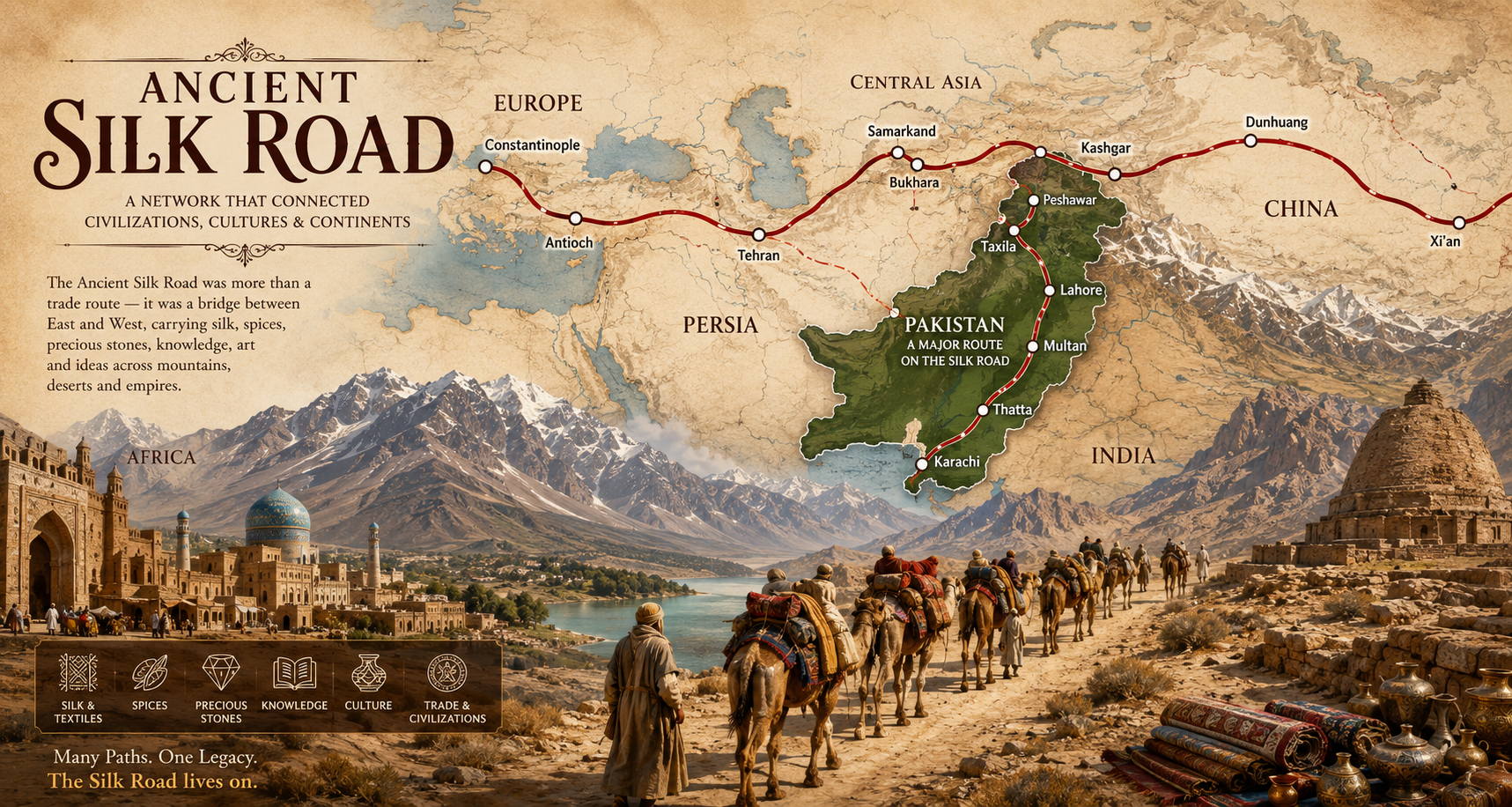
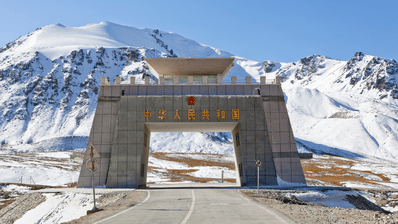
The Silk Road has seen a variety of historical occurrences, including Buddhist pilgrims, the great Alexander’s army, and commerce caravans, caravans of silk, and enigmatic explorers. History was also written during the epic battle of imperial rivalry between Russia and the British Empire. Travelers' perspectives and thoughts have altered as a result of their discovery and travel in these regions. This is a heritage of unmatched riches designed for daring travellers. This gruelling trek has been taken by conquerors and travellers on foot, horseback, and camels since the time of Marco Polo. Modern transportation options include carpeted/paved roads, air-conditioned luxury vehicles, high-quality hotels, and all the amenities a traveller needs when away from home. And for this reason, it develops into a well-known tourist destination that includes China's Xinjiang Autonomous Region and Pakistan. You may read about the intriguing history of the Silk Road from Kashgar, China, to the Khunjerab pass and the Karakoram Highway in this blog.
You will have the chance to travel over the renowned Karakorum Highway, which has been used for centuries by pilgrims, traders, and poets. The eight wonders of the world are another name for this. Due of its historical link between China's cities and Pakistan's northern regions, the Karakoram Highway is considered a part of the Silk Road. A 1300 km long route known as the Karakoram Highway connects Pakistan's capital with the regions of China. You'll travel through the stunning Hunza Valley, across the Khunjerab Pass, and into Sost, where you may relax in the tranquil setting of the valley surrounded by majestic mountains and lakes.
Sost Valley
Sost is the final town on the Pakistani side of the border when journeying along the China-Pakistan Economic Corridor. From the same location, we may begin our trek down the Silk Road. This little town is very important since it serves as the hub for all trade and commerce that occurs across China and Pakistan via a road link. The "Silk Route Dry Port," which was constructed in conjunction with the Chinese government and has an ability to handle around 400 containers daily, is one of the most notable sites in this area. In addition to business and trade, Sost and its surroundings have a lot of potential to grow the tourist sector.
Chapursan Valley
West of Sost, along the Afghan border, is the picturesque but unknown Chapursan Valley. You can reach the first settlement of the valley after a thrilling 45-minute jeep ride from Sost. As you reach the valley, the majestic glaciers, snow-capped mountains, and fresh drinking fountains captivate you with their magnificence. The valley, which consists of twelve settlements, conceals magnificent meadows that are accessible by short hikes and reveal stunning Rock Springs and lush pastures bursting with a wide range of flowers. The valley's remarkable beauty makes it a hiking enthusiast's heaven. Along with its stunning features, the valley also offers visitors a vibrant cultural environment.
The Glorious Gilgit City
The city has long served as the center of trade for the area since it is located at a crucial intersection in the Karakoram Range. Gilgit was a significant town along the historic Silk Road because it promoted the spread of several religions. This region is in the center of all mountaineering excursions from the Karakoram to the Himalayas due to its beautiful vistas and strategic placement. With its distinct cultural legacy and abundant ecological variety, Giglit has a certain allure. This city is a popular tourist destination because to its cheery population, divine surroundings, and alluring waterfalls. In Gilgit, it is customary to illuminate mountains in honour of significant religious holidays. The charming mountain city is highly known for its handicrafts, jewellery, shawls, silk, and woollen clothing. Shahtosh, or wool-woven shawls, are an uncommon and highly sought-after item.
The Chinese cemetery in Danyore, a nearby town of Gilgit city, has tourist attraction. The customary tombs of Chinese construction workers who died while working on the Karakoram Highway are located in this cemetery, which is sheltered by towering evergreen trees.
Naltar Valley, located forty minutes by jeep from Gilgit, has been kept in its original state. The pine-covered settlement of Naltar is renowned for its wildflowers, animals, hiking trails, and impressive mountains. Additionally, trout fishing is available for tourists in the little lakes that run through the valley.
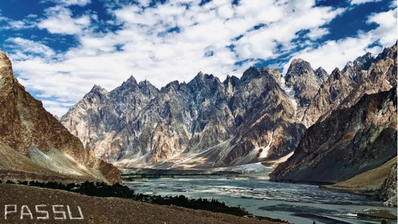
Hunza Valley is considered well-liked tourist sites in Pakistan due to its scenic beauty, various seasons, delicious fruits, lofty mountain peaks, and breathtaking water streams. The visitor's senses are sufficiently overwhelmed by the gentle air that rustles through the poplar trees and the glimpse of wheat fields that cover the vast, hilly terrain. The valley resembles a paradise from heaven, sparkling with fragrant flowers and set against a background of snow-capped mountains. Tourists just like the magnificent dawn, which displays an enormous dance of light and shadow on the neighbouring mountain ranges. Travelers are drawn to the valley's scenic vista as well as its seasonal fruits and exquisite food.
Baltit Fort
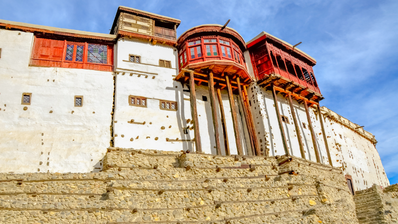
One of Hunza's most renowned tourist destinations is the magnificent Baltit Fort. The fort's earliest section dates to the 13th century, when it became clear that it was the state of Hunza's principal centre of authority. In 1997, the fort underwent renovation and reopened. Visitors may get a bird's eye view of the surrounding valley from its summit. The massive Ultar Peak towers behind the fort, while the Golden Peak, Rakaposhi Mountain, the Hunza River and the Broad Peak are located at its front.
Shimshal Valley
The adjacent Shimshal Valley is definitely well a visit in addition to the Hunza Valley. Tourists must cross the river using cable bridges to get to the Valley. Although the voyage over the river is risky, it is also interesting and exciting. The rope bridge was constructed by the villagers to cross the river with passengers and their belongings. Shimshal is the largest glaciated valley outside of the Polar Regions, and it has a distinctive cluster of several tall peaks, lovely glaciers, lush meadows, and arable soil. A well-known location for blue sheep hunting is this valley. Additionally, visitors may go fishing at Hunza Lake or take a boat trip to Borat Lake.